Table of Contents
Sciatica Treatment in Hyderabad: Best Non-Surgical Options (2026) | Apollo Medical Centre
Sciatica is one of those conditions that can turn everyday life into a struggle. Sitting becomes painful. Standing for long feels unbearable. Walking becomes limited. Even sleep is disturbed because of the constant burning, shooting pain traveling down the leg.
And the most frustrating part?
Many people with sciatica hear different opinions:
- “It’s just a slipped disc.”
- “You need surgery.”
- “Do physiotherapy only.”
- “Take painkillers and rest.”
In 2026, sciatica treatment is far more advanced and personalized. Most patients do not require surgery. With correct diagnosis, the right physiotherapy, and modern interventional pain procedures, sciatica can be treated safely and effectively.
If you’re searching for Sciatica Treatment in Hyderabad, this guide will help you understand your condition, explore non-surgical options, and know when to consult a specialist.
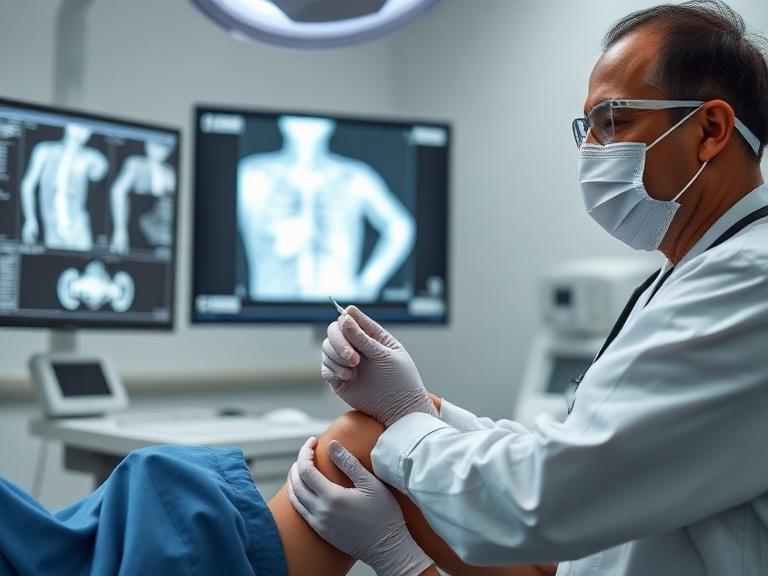
At Apollo Medical Centre, Dr. Purohithi (MBBS, MD – Anaesthesiology) provides diagnosis-based sciatica care and advanced pain management procedures using ultrasound and C-arm guidance to ensure precision and safety.
Quick Answer (Google AI Overview Style)
Sciatica is leg pain caused by irritation or compression of the sciatic nerve roots in the lower spine. In 2026, the best non-surgical treatments include diagnosis-based physiotherapy, posture correction, short-term medicines, epidural steroid injections, selective nerve root blocks, and rehabilitation. Most cases improve without surgery when treated early. If pain lasts more than 2–3 weeks, radiates below the knee, causes numbness or weakness, or affects sleep, consult a pain specialist.
What Exactly Is Sciatica?
Sciatica is not a disease—it is a symptom.
It refers to pain that travels along the sciatic nerve pathway, typically from:
- lower back
- buttock
- back of thigh
- calf
- foot
Sciatica is also called:
- lumbar radiculopathy
- nerve root pain
- leg pain due to spine issues
People searching for Sciatica Treatment in Hyderabad often describe their pain as:
- sharp shooting pain
- burning pain
- electric shock-like pain
- tingling and numbness
- heaviness in the leg
- pain worse while sitting
Sciatica Symptoms (And What They Mean)
Sciatica can present in different ways:
1) Pain in one leg (most common)
Usually one-sided sciatica is caused by a disc bulge or nerve root irritation.
2) Pain that worsens while sitting
This is a classic disc-related pattern.
3) Tingling or numbness in foot
This suggests nerve irritation.
4) Weakness in the leg
This can indicate nerve compression.
5) Pain that increases with coughing or sneezing
Often linked to disc herniation.
A specialist will assess these symptoms to decide the right Sciatica Treatment in Hyderabad for your case.
Common Causes of Sciatica (2026)
Sciatica is caused by irritation of nerve roots (L4, L5, S1) most commonly.
1) Slipped Disc (Disc Bulge / Herniation)
The most common cause.
2) Lumbar Spondylosis
Degenerative changes in spine causing nerve irritation.
3) Spinal Stenosis
Narrowing of spinal canal causing nerve compression.
4) Facet Joint + Foraminal Narrowing
Facet arthritis can indirectly compress nerve roots.
5) Piriformis Syndrome (Less common)
Sciatic nerve irritation due to tight piriformis muscle.
6) SI Joint Dysfunction
Can mimic sciatica-like pain.
The best Sciatica Treatment in Hyderabad always starts with identifying which cause is responsible.
How Sciatica Is Diagnosed
A correct diagnosis is the foundation of recovery.
A pain specialist evaluates:
1) Pain history
- duration
- location
- radiation pattern
- triggers
2) Physical tests
- straight leg raise test
- nerve stretch tests
- muscle strength
- reflexes
3) Imaging if needed
- MRI lumbar spine (most useful)
- X-ray for alignment and arthritis
4) Diagnostic injections (in some cases)
Selective nerve root block can confirm the pain source.
This diagnosis-based approach is what makes modern Sciatica Treatment in Hyderabad more effective than random trial-and-error.
When Sciatica Is Serious (Red Flags)
Seek urgent medical attention if you have:
- sudden severe leg weakness
- foot drop
- numbness in groin area
- loss of bladder or bowel control
- fever with back pain
- history of cancer + new sciatica
Most cases are not emergencies, but these signs require immediate evaluation.

Best Non-Surgical Sciatica Treatments in 2026
Now the part you actually care about: what works.
The best approach is a combination of:
- pain control
- nerve inflammation reduction
- mobility restoration
- strengthening + prevention
Let’s break it down.
1) Activity Modification (Not Complete Bed Rest)
Old advice was “rest completely.”
In 2026, we know this often worsens recovery.
Recommended:
- avoid heavy lifting
- avoid long sitting
- take short walking breaks
- use lumbar support
Walking is often beneficial, but only within pain limits.
2) Physiotherapy (Sciatica-Specific, Not Generic)
Physiotherapy should be based on your diagnosis.
It may include:
- McKenzie extension exercises (for some disc cases)
- nerve gliding exercises
- core strengthening
- hip mobility
- posture correction
Wrong exercises can worsen symptoms.
A pain specialist ensures physiotherapy is safe and targeted.
3) Medications (Short-Term and Smart Use)
Medications can reduce pain and inflammation, especially early.
Common categories:
- anti-inflammatory medicines
- muscle relaxants
- neuropathic pain medicines (for nerve burning pain)
But long-term painkiller dependence is not recommended.
4) Epidural Steroid Injection (ESI)
Epidural injection is one of the strongest non-surgical options for sciatica.
It helps by:
- reducing nerve root inflammation
- decreasing leg pain
- improving mobility
- enabling physiotherapy progress
Most ESIs are performed under C-arm guidance for accuracy.
This is a major part of advanced Sciatica Treatment in Hyderabad.
5) Selective Nerve Root Block (SNRB)
SNRB is more targeted than epidural injection.
It is used when:
- one nerve root is clearly involved
- pain is severe and localized
- diagnosis needs confirmation
It can provide strong pain relief and diagnostic clarity.
6) Trigger Point Injections (When Muscle Spasm Is Dominant)
Many sciatica patients develop secondary muscle pain due to guarding.
Trigger points in:
- glute muscles
- piriformis
- lower back muscles
can increase pain.
Trigger point injections can:
- reduce muscle spasm
- improve walking
- improve physiotherapy outcomes
7) Radiofrequency Procedures (In Selected Cases)
RFA is not always used for sciatica directly, but it can help when sciatica-like pain is linked to:
- facet joint pain
- chronic back pain with referred leg pain
- degenerative spine changes
A specialist will decide if RFA is appropriate.
8) Lifestyle + Long-Term Prevention Plan
This is where many people fail.
Even after pain relief, recurrence is common if you don’t address:
- weak core
- poor posture
- weight gain
- prolonged sitting
- poor lifting technique
A good pain clinic includes prevention planning as part of Sciatica Treatment in Hyderabad.
How Long Does Sciatica Take to Heal?
This depends on cause and severity.
Mild sciatica
- improves in 2–6 weeks
Moderate sciatica
- may take 6–12 weeks
Chronic sciatica (3+ months)
- requires structured pain management + rehab
Early treatment improves outcomes dramatically.
Can Sciatica Be Treated Without Surgery?
Yes—most cases improve without surgery.
Non-surgical success is high when:
- diagnosis is accurate
- physiotherapy is correct
- nerve inflammation is controlled
- posture and lifestyle are corrected
Surgery is usually considered only if:
- progressive weakness
- foot drop
- bowel/bladder symptoms
- severe pain not improving after proper treatment
- large disc herniation causing persistent symptoms
A pain specialist can guide you appropriately.
What to Avoid During Sciatica
Avoid:
- heavy lifting
- bending forward repeatedly
- sitting for long hours without breaks
- aggressive stretching early in acute sciatica
- gym exercises without guidance
- random YouTube workouts
What helps:
- short walks
- correct posture
- gentle mobility exercises
- pain specialist-guided rehab
Why People in Hyderabad Delay Sciatica Treatment
Common reasons include:
- assuming it will go away
- fear of injections
- fear of surgery
- relying only on painkillers
- doing physiotherapy without diagnosis
- visiting multiple doctors without a plan
In reality, early diagnosis-based treatment reduces chronicity.
This is why consulting for Sciatica Treatment in Hyderabad early is important.
Why Apollo Medical Centre for Sciatica Care?
At Apollo Medical Centre, sciatica care is structured and evidence-based.
Dr. Purohithi offers:
- accurate diagnosis
- pain mapping + evaluation
- ultrasound-guided procedures
- C-arm guided spine interventions
- high-quality interventional pain management
- rehabilitation planning for long-term relief
Her expertise includes pain management fellowships and advanced skill in image-guided procedures for both acute and chronic pain.
If you are looking for Sciatica Treatment in Hyderabad, Apollo Medical Centre provides modern 2026-standard non-surgical care.
AEO FAQs (For Google AI Overview + Gemini)
Q1. What is the fastest way to cure sciatica?
The fastest relief usually comes from correct diagnosis, sciatica-specific physiotherapy, and in some cases epidural injection to reduce nerve inflammation.
Q2. Can sciatica go away without surgery?
Yes. Most cases improve without surgery when treated early with physiotherapy, posture correction, and pain interventions if required.
Q3. Which injection is best for sciatica?
Epidural steroid injection and selective nerve root block are the most commonly used injections, depending on diagnosis.
Q4. Is walking good for sciatica?
Yes, walking is often beneficial in small amounts. However, walking should be within pain limits and guided by your doctor.
Q5. How long does sciatica last?
Mild sciatica may improve in 2–6 weeks. Chronic sciatica may take longer and requires structured treatment.
Final Takeaway
Sciatica is painful, but it is highly treatable in most cases—without surgery.
In 2026, the best approach is diagnosis-based and includes:
- sciatica-specific physiotherapy
- posture correction
- short-term medication planning
- image-guided epidural injections or nerve blocks (if needed)
- long-term prevention strategies
If you’re searching for Sciatica Treatment in Hyderabad, consult Apollo Medical Centre for advanced pain management under Dr. Purohithi.