Table of Contents
Clinical Skin Allergy Treatment in Hyderabad | Dr. Showrya Gadde
Cutaneous hypersensitivity reactions—commonly referred to as skin allergies, hives, eczema, or contact dermatitis—represent a significant proportion of medical dermatological visits. The skin serves as the body’s primary immunological barrier against the outside world. When this barrier is compromised or when the internal immune system becomes hyper-reactive, exposure to otherwise harmless environmental substances (allergens or irritants) triggers an abnormal immune cascade, causing redness, swelling, burning, and intense itching.
Across the fast-paced corporate and residential districts of Hyderabad—including Kondapur, Madhapur, HITEC City, Gachibowli, Jubilee Hills, and Banjara Hills—cutaneous allergies have seen a noticeable rise. High ambient summer temperatures, dusty monsoon transitions, urban airborne particulate matter ($PM_{2.5}$), high workplace stress, synthetic cosmetic usage, and mineral-dense domestic tap water combine to challenge delicate skin barriers.
Navigating skin allergy management requires moving past temporary home fixes, self-prescribed anti-itch creams, or indiscriminate steroid usage. On South Asian skin phototypes (Fitzpatrick Types IV–VI), persistent scratching and unmanaged allergic inflammation can lead to post-inflammatory hyperpigmentation (PIH), skin thickening (lichenification), secondary bacterial infections, and long-term barrier breakdown.
Seeking specialized Skin Allergy Treatment in Hyderabad provides a scientific path toward identifying root triggers, calming acute immune responses, and rebuilding resilient skin architecture. At Dr. Showrya Gadde Dermatology & Wellness (located in Jubilee Enclave, Kondapur, near HITEC City), cutaneous immuno-allergology is guided by Dr. Showrya Gadde (MBBS, DNB – Dermatology & Venereology). By integrating biomarker screening, patch testing, non-sedating immunomodulators, and ceramide barrier repair, the practice helps patients achieve comfortable, healthy skin.
1. Immunological Mechanisms of Cutaneous Hypersensitivity
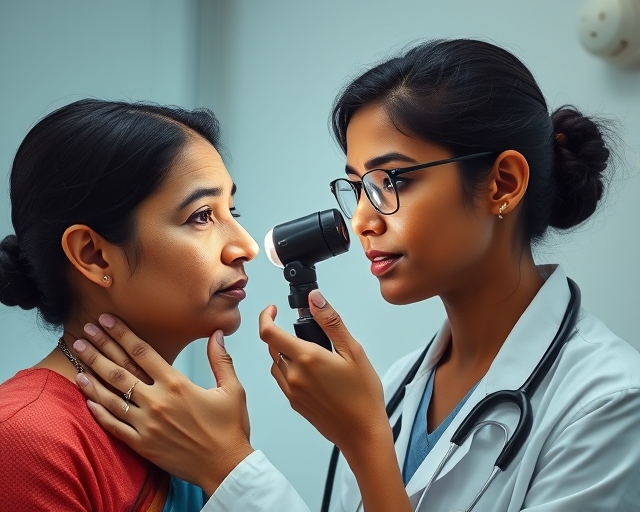
To treat skin allergies effectively, a dermatologist evaluates the underlying immune pathways driving the reaction. Cutaneous hypersensitivity is broadly classified into two primary immunological pathways:
A. Type I IgE-Mediated Immediate Hypersensitivity (Urticaria & Angioedema)
In IgE-mediated allergies, initial exposure to an allergen (food, medication, insect venom, or inhaled pollen) induces B-lymphocytes to produce specific Immunoglobulin E (IgE) antibodies. These IgE molecules attach to high-affinity receptors on dermal mast cells and basophils.
Upon re-exposure, the allergen cross-links surface IgE molecules, triggering rapid mast cell degranulation. Mast cells release pre-formed inflammatory mediators—primarily histamine, leukotrienes (LTB4, LTC4), and prostaglandin D2 (PGD2). These mediators cause localized dermal blood vessels to dilate and leak fluid into surrounding tissue, forming transient wheals (hives), swelling (angioedema), and intense itching within minutes to hours.
B. Type IV Cell-Mediated Delayed Hypersensitivity (Allergic Contact Dermatitis)
Unlike immediate hives, contact dermatitis involves a delayed, T-cell-driven immune response that develops 24 to 72 hours after skin contact with a chemical allergen (such as nickel, hair dye chemicals, fragrances, or preservatives).
- Sensitization Phase: Small chemical molecules (haptens) penetrate the stratum corneum and bind to epidermal proteins. Antigen-presenting cells (Langerhans cells) pick up these complexes, migrate to regional lymph nodes, and train naive T-lymphocytes into allergen-specific memory T-cells.
- Elicitation Phase: Upon subsequent contact with the same chemical, memory T-cells travel to the skin site, releasing pro-inflammatory cytokines (Interferon-gamma, IL-2, TNF-$\alpha$). This causes localized epidermal edema (spongiosis), redness, scaling, papules, and fluid-filled micro-vesicles.
2. Clinical Classification of Cutaneous Allergic Disorders
During consultation, a dermatologist evaluates your skin rash morphology, distribution, onset speed, and trigger factors:
| Clinical Condition | Primary Immune Driver | Typical Rash Features | Common Triggers | Primary Medical Strategy |
| Acute Urticaria | Type I IgE Mast Cell Degranulation | Raised, red, transient wheals lasting $<6$ weeks | Foods, viral infections, NSAID medications, insect stings | Second-generation H1 Antihistamines, trigger avoidance |
| Chronic Spontaneous Urticaria (CSU) | Autoimmune / Auto-allergic IgE pathways | Recurrent daily hives lasting $>6$ weeks | Internal auto-antibodies, thyroid dysfunction, stress | High-dose H1 Antihistamines, Biologic therapy (Omalizumab) |
| Allergic Contact Dermatitis (ACD) | Type IV T-Cell Mediated Response | Eczematous, scaly, itchy patches with sharp borders | Nickel, PPD (hair dye), fragrances, cosmetics, latex | Allergen Patch Testing, topical calcineurin inhibitors, barrier care |
| Irritant Contact Dermatitis (ICD) | Direct Non-Immune Cytotoxic Damage | Dry, cracked, burning skin at contact site | Harsh soaps, hard tap water, detergents, solvents | Gentle syndet cleansers, thick lipid-replenishing emollients |
| Atopic Dermatitis (Eczema) | Genetic Filaggrin (FLG) Barrier Defect | Chronic dry, itchy, lichenified flexural plaques | Environmental allergens, low humidity, stress, hard water | Ceramide barrier repair, topical anti-inflammatory solutions |
| Angioedema | Deep Subcutaneous Vascular Leak | Asymmetric, non-pitting deep facial swelling | ACE-inhibitors, foods, hereditary complement defects | Urgent medical evaluation, antihistamines, airway monitoring |
3. Diagnostic Procedures for Allergic Skin Conditions
Identifying the precise cause of an allergic rash is essential to prevent chronic recurrences.
1. Standardized Patch Testing (Gold Standard for Contact Allergies)
Patch testing is the primary diagnostic method for identifying chemical allergens responsible for Allergic Contact Dermatitis.
- Method: Standardized hypoallergenic chambers containing small amounts of common environmental and cosmetic allergens (such as Nickel sulfate, Para-Phenylenediamine, Fragrance mix, Neomycin, and Paraben preservatives) are placed on the patient’s upper back.
- Timeline: Patches remain in place for 48 hours. Readings are taken at 48 hours and 72 to 96 hours to identify delayed Type IV allergic reactions, shown by localized redness, swelling, or micro-vesicles.
2. Serum Total IgE & Specific Immunoassay Panels
For suspected Type I immediate allergies, urticaria, or atopic eczema, blood tests help measure systemic immune activity.
- Total IgE Level: Measures overall circulating Immunoglobulin E antibodies to quantify allergic activity.
- Specific IgE Panels: Tests serum reactivity against targeted environmental panels (dust mites, pollens, molds, pet dander) and dietary panels (seafood, nuts, dairy, wheat).
3. Autologous Serum Skin Test (ASST)
Used during chronic urticaria evaluations to identify underlying autoimmune hives. A small sample of the patient’s serum is injected intradermally into their forearm. The development of an immediate wheal confirms circulating auto-antibodies against IgE or high-affinity IgE receptors.
4. Advanced Clinical Modalities for Skin Allergy Management
Modern medical management focuses on calming active immune inflammation, relieving itching, and repairing the compromised skin barrier.
1. Non-Sedating Second-Generation H1 Antihistamines
The foundation of urticaria and allergic rash treatment. Modern second-generation agents (Bilastine, Fexofenadine, Levocetirizine, Desloratadine) selectively block peripheral H1 receptors without crossing the blood-brain barrier, avoiding sedation or cognitive impairment. For chronic hives, doses may be stepped up to 2x or 4x standard levels under medical supervision.
2. Topical Calcineurin Inhibitors (Steroid-Free Anti-Inflammatory Care)
For eczematous rashes and contact dermatitis, topical calcineurin inhibitors (Tacrolimus and Pimecrolimus) provide anti-inflammatory relief without steroid-related side effects.
- Mechanism: Blocks calcineurin activity, halting T-cell activation and cytokine release.
- Safety Profile: Safe for delicate skin zones (face, eyelids, neck, skin folds) without risking skin thinning, stretch marks, or telangiectasias.
3. Ceramide-Dominant Skin Barrier Repair
Allergic inflammation disrupts the stratum corneum, creating microscopic cracks that allow moisture to escape and environmental allergens to enter. Applying physiological lipid mixtures—containing Ceramides, Free Fatty Acids, and Cholesterol in a 3:1:1 ratio—restores the skin barrier and reduces susceptibility to external triggers.
4. Targeted Biologic Therapy (Omalizumab)
For severe, recalcitrant Chronic Spontaneous Urticaria that fails to respond to high-dose antihistamines, targeted biologic therapy offers relief.
- Mechanism: A recombinant humanized monoclonal antibody that binds free IgE in the bloodstream, preventing it from attaching to mast cells and stopping histamine release.
5. Cost Breakdown of Skin Allergy Treatment in Hyderabad
Pricing for clinical skin allergy care across top dermatological centers in Hyderabad depends on diagnostic testing requirements, condition severity, and ongoing prescription needs:
| Medical Service / Diagnostic Component | Scope & Parameters | Estimated Cost Range (INR) | Schedule / Frequency |
| Specialist Dermatologist Consultation | Clinical evaluation & history mapping | ₹700 – ₹1,200 | Initial visit & reviews |
| Standard Allergen Patch Test Panel | 20 to 30 contact allergen chamber panel | ₹2,500 – ₹5,500 | Diagnostic test (48–72h reading) |
| Serum Total & Specific IgE Blood Panel | Laboratory immunoassay blood work | ₹2,000 – ₹4,500 | Diagnostic laboratory panel |
| Monthly Antihistamine & Active Kit | 2nd-gen H1 antihistamines & topicals | ₹1,200 – ₹2,800 | Monthly prescription supply |
| Ceramide Lipid Barrier Repair Emollients | Physiological skin barrier formulations | ₹800 – ₹1,800 | Monthly home care supply |
| Targeted Biologic Injection (Omalizumab) | Monoclonal anti-IgE therapy | Varies based on dosage | Monthly injection for severe CSU |
6. Environmental Factors in Hyderabad & Allergy Flares
Managing skin allergies effectively requires addressing environmental factors common in the Hyderabad region:
Regional Drivers and Protective Guidance
- Airborne PM2.5 Pollution & Construction Dust: Rapid urban development across tech corridors like HITEC City, Kondapur, and Gachibowli generates airborne particulate matter ($PM_{2.5}$) and silica dust. Dust particles settle on open skin, generating free radicals that disrupt the protective barrier and trigger allergic flares. Protection: Cleanse skin gently every evening with a soap-free synthetic cleanser (syndet) and apply a protective lipid moisturizer.
- Hard Borewell Water (High TDS): Municipal and ground tap water in expanding residential areas contains high Total Dissolved Solids (TDS) such as calcium and magnesium. Hard water minerals leave an alkaline residue on skin that disrupts natural pH (normally 4.5–5.5), inactivating enzymes needed for barrier repair and triggering eczema flares. Protection: Use lukewarm filtered or RO water for facial cleansing, and apply ceramide creams within 3 minutes of drying.
- High Workplace Stress & Shift Work: Prolonged work hours and night shifts trigger the central nervous system to release Corticotropin-Releasing Hormone (CRH) and Substance P. These neuro-mediators induce dermal mast cells to degranulate, triggering hives or worsening eczema. Protection: Incorporate stress-management practices, maintain regular sleep schedules, and avoid hot showers after stressful workdays.
7. Daily Dermatologist-Approved Anti-Allergy Skincare Regimen
To keep your skin barrier resilient and protect against environmental triggers, follow this daily home care routine:
Morning Protocol (AM)
├── 1. Gentle Cleansing (Cleanse using lukewarm RO/filtered water & a soap-free syndet cleanser)
├── 2. Active Topical Treatment (Apply prescribed Tacrolimus/Pimecrolimus or topical solution to active rash)
├── 3. Ceramide Barrier Hydration (Apply a thick lipid-replenishing cream to seal microscopic skin cracks)
└── 4. Physical Mineral Sunscreen (Apply fragrance-free, non-comedogenic 100% Zinc Oxide mineral SPF 50+)

Evening Protocol (PM)
├── 1. Gentle Wash (Cleanse thoroughly to remove outdoor dust, pollution, & pollen)
├── 2. Oral Antihistamine (Take prescribed non-sedating 2nd-generation H1 antihistamine as directed)
└── 3. Intensive Night Moisture (Apply ceramide-dominant emollient balm under loose cotton clothing)
8. Frequently Asked Questions (FAQs)
1. What is the most effective Skin Allergy Treatment in Hyderabad?
The most effective treatment involves diagnostic identification of the trigger combined with targeted immunomodulation. At Dr. Showrya Gadde Dermatology & Wellness, cutaneous allergies are diagnosed via patch testing and IgE biomarker panels, followed by non-sedating second-generation H1 antihistamines, topical calcineurin inhibitors, non-steroidal anti-inflammatory care, and ceramide barrier repair.
2. What causes sudden skin allergy flare-ups in Hyderabad?
Common environmental triggers in Hyderabad include airborne particulate pollution ($PM_{2.5}$), construction dust, seasonal pollen, hard borewell tap water (high TDS minerals), harsh cosmetic chemicals (parabens, fragrances, hair dyes), synthetic clothing dyes, mold, and certain food preservatives.
3. How much does skin allergy treatment cost in Hyderabad?
At Dr. Showrya Gadde Dermatology & Wellness, initial specialist consultation fees range from ₹700 to ₹1,200. Diagnostic patch testing and serum IgE blood panels range between ₹2,500 and ₹6,500 depending on allergen panel size. Monthly prescription regimens for chronic urticaria or eczema range from ₹1,500 to ₹3,500.
4. What is the difference between Urticaria (Hives) and Contact Dermatitis?
Urticaria presents as transient, raised, red or skin-colored wheals (hives) that itch intensely and move around the body within 24 hours (Type I IgE-mediated response). Contact Dermatitis presents as localized red, scaling, or blistering patches at the exact point of contact with an irritating chemical or allergen (Type IV cell-mediated response).
5. Why do over-the-counter anti-itch creams fail to cure chronic skin allergies?
Over-the-counter anti-itch creams often contain potent topical steroids or unverified local anesthetics. While they temporarily dull itching, they fail to identify or eliminate the underlying allergen, and prolonged unmonitored use can thin the skin and trigger rebound inflammatory flares.
6. What is Patch Testing, and how does it identify contact allergens?
Patch testing is the gold standard diagnostic procedure for Contact Dermatitis. Standardized hypoallergenic chambers containing common allergens (nickel, hair dye chemicals, fragrances, rubber additives, preservatives) are applied to the back for 48 hours to read delayed Type IV hypersensitivity reactions.
7. How does hard tap water in areas like Kondapur and Madhapur worsen skin allergies?
Municipal and ground tap water in Kondapur, Madhapur, and HITEC City contains high Total Dissolved Solids (TDS) like calcium and magnesium. These minerals leave an insoluble alkaline film on skin that strips protective lipids, elevates skin pH, and triggers severe allergic eczema flares.
8. Can stress trigger or worsen skin hives and allergic rashes?
Yes. Psychological and workplace stress triggers the central nervous system to release Corticotropin-Releasing Hormone (CRH) and Substance P. These neuro-mediators induce dermal mast cells to degranulate, releasing histamine and provoking hives or eczema flares.
9. Is it safe to take antihistamines daily for chronic hives (Urticaria)?
Yes, modern second-generation H1 antihistamines (such as Fexofenadine, Bilastine, Levocetirizine, and Desloratadine) are non-sedating, highly safe, and recommended by dermatologists for long-term daily management of chronic spontaneous urticaria under medical guidance.
10. How does Dr. Showrya Gadde treat hair dye allergies (PPD allergy)?
Hair dye allergy is caused by Para-Phenylenediamine (PPD). Treatment involves immediate removal of dye residues, prescription topical anti-inflammatory solutions, oral antihistamines, barrier repair balms, and counseling on PPD-free, vegetable-based alternatives.
11. What home-care habits help soothe an active allergic skin rash?
Bathe with lukewarm filtered/RO water, use soap-free synthetic cleansers (syndets), apply thick ceramide emollient creams within 3 minutes of drying, wear loose pure cotton clothes, avoid scratching, and stay in cool air-conditioned environments.
12. What is Angioedema, and when does it become a medical emergency?
Angioedema is deep swelling of the subcutaneous or submucosal tissues, often accompanying hives around the lips, eyelids, or cheeks. If swelling affects the tongue, throat, or airway—causing difficulty breathing or swallowing—it is an emergency requiring immediate medical care.
13. Can food allergies cause skin rashes in adults?
Yes. Ingested food allergens (such as shellfish, nuts, dairy, eggs, or synthetic food colors) can trigger acute IgE-mediated urticaria or worsen underlying atopic dermatitis within minutes to hours of consumption.
14. How does atopic eczema differ from an acute allergic reaction?
Acute allergic reactions occur suddenly after exposure to a specific trigger and resolve once cleared. Atopic Eczema is a chronic, genetically conditioned barrier defect characterized by dry, cracked, intensely itchy, thickened skin (lichenification) requiring long-term barrier maintenance.
15. Why choose Dr. Showrya Gadde Dermatology & Wellness for skin allergy treatment?
Dr. Showrya Gadde (MBBS, DNB – Dermatology) brings clinical experience and diagnostic accuracy to immuno-allergology. Her clinic in Jubilee Enclave, Kondapur, provides allergy testing, customized trigger management, steroid-sparing therapies, and long-term barrier recovery.
9. Schedule Your Clinical Allergy Assessment
Relieving cutaneous allergies and rebuilding skin health requires accurate diagnostic testing and expert dermatological care. If itchy hives, eczema flares, facial redness, or contact allergic rashes are affecting your comfort, schedule a consultation with Dr. Showrya Gadde at Dr. Showrya Gadde Dermatology & Wellness in Jubilee Enclave, Kondapur, Hyderabad. A clinical assessment and allergy evaluation will identify your triggers and establish a safe, effective path to comfortable, healthy skin.