Table of Contents
Early Pregnancy Assessment in Vizag | Vedanta Speciality Clinics
Confirming a pregnancy is the start of an extraordinary biological journey. The first few weeks of gestation—spanning from week 4 to week 10—are critical for embryonic formation, organ development, and maternal adaptation. Scheduling a timely early pregnancy assessment in Vizag provides expecting mothers with early diagnostic confirmation, checks embryonic health, and establishes a personalized care plan for the rest of the pregnancy.
Located in Madhurawada, Visakhapatnam, Vedanta Speciality Clinics—under the clinical leadership of Dr. Devani Chalamuri—delivers high-authority early pregnancy evaluations. Serving women and families across Madhurawada, PM Palem, MVP Colony, Health City Arilova, Siripuram, Maharani Peta, and Gajuwaka, our clinic combines advanced transvaginal ultrasound imaging, quantitative hormone tracking, and comprehensive blood panels with compassionate care. Whether confirming a first pregnancy, ruling out complications like ectopic pregnancy, or managing early morning sickness, an early assessment gives you clarity and peace of mind right from the start.
This medical guide covers everything you need to know about early pregnancy assessment in Visakhapatnam, including diagnostic scan schedules, blood tests, early symptom management, regional lifestyle advice, cost estimations, and answers to 15 essential frequently asked questions.

1. What is an Early Pregnancy Assessment and Why is It Important?
An early pregnancy assessment is a specialized medical examination performed during the first 4 to 10 weeks of pregnancy. While a positive home urine test confirms the presence of pregnancy hormones, a clinical assessment verifies that the pregnancy is developing normally inside the uterus and evaluates embryonic health.
Key Biological Milestones in Early Pregnancy
- Weeks 4 to 5 (Implantation and Sac Formation): The fertilized egg implants into the uterine lining. The gestational sac becomes visible on high-resolution transvaginal ultrasound, confirming intrauterine location.
- Weeks 6 to 7 (Cardiac Activity and Yolk Sac): The yolk sac develops to nourish the embryo, and the fetal pole appears. The embryonic heart begins to beat at a rate between 110 and 160 beats per minute.
- Weeks 8 to 10 (Organ Formation and Fetal Movement): Major internal organ structures form rapidly. Tiny limb buds grow into arms and legs, facial features begin to take shape, and early spontaneous embryonic movement starts.
Primary Goals of an Early Assessment
- Confirming Intrauterine Pregnancy: Verifying that the gestational sac is located inside the uterus rules out an ectopic pregnancy (where the embryo implants outside the uterus, usually in a fallopian tube), which requires urgent medical care.
- Establishing an Accurate Due Date: Measuring the Crown-Rump Length (CRL) of the embryo via early ultrasound is the most accurate method for determining gestational age and setting your official Estimated Date of Delivery (EDD).
- Checking Embryonic Viability: Confirming an active embryonic heartbeat reassures parents that the pregnancy is progressing normally.
- Early Risk Triage: Identifying pre-existing health conditions, maternal thyroid imbalances, or hormone deficiencies early allows your doctor to start preventive care right away.
2. Essential Tests and Scans During an Early Pregnancy Assessment
A comprehensive early pregnancy assessment combines diagnostic ultrasound imaging, quantitative blood tests, and baseline health audits to monitor both mother and baby.
Early Viability Ultrasound Scan
Conducted between weeks 6 and 9, the early viability scan is performed transvaginally or abdominally. Transvaginal ultrasound provides high-resolution imaging during very early pregnancy, allowing clear visualization of the gestational sac, yolk sac, fetal pole, and heartbeat. The scan checks:
- The exact location of the gestational sac to confirm a safe intrauterine pregnancy.
- Fetal cardiac activity and baseline heart rate.
- The Crown-Rump Length (CRL) to calculate accurate gestational age.
- Whether you are carrying a single embryo or twins.
- Surrounding pelvic structures, checking for ovarian cysts or subchorionic hematomas (blood collections near the gestational sac).
Quantitative Serum Beta-hCG Testing
Human Chorionic Gonadotropin (hCG) is the primary hormone produced by the developing placenta. A quantitative blood test measures the exact concentration of hCG in your bloodstream. In healthy early pregnancies, serum hCG levels double approximately every 48 to 72 hours. Serial hCG testing helps evaluate embryonic health in cases of early spotting or uncertain dates.
Baseline Antenatal Blood Panel
- Complete Blood Count (CBC): Checks baseline hemoglobin, hematocrit, and platelet levels to identify early iron deficiency or infection.
- Blood Grouping and Rh Typing: Determines your blood type. Rh-negative mothers receive specialized antibody tracking and protective treatment later in pregnancy.
- Thyroid-Stimulating Hormone (TSH): Evaluates thyroid function. Maintaining TSH levels under 2.5 mIU/L during the first trimester supports early fetal brain development.
- Fasting Blood Sugar and HbA1c: Screens for unrecognised pre-existing diabetes or early glucose intolerance.
- Serum Ferritin Audit: Measures iron storage levels in the liver and bone marrow to catch non-anaemic iron depletion early.
- Viral Serology Panel: Screens for Hepatitis B, HIV 1 and 2, Syphilis (VDRL), and Rubella IgG antibodies to verify immune status.
- Complete Urine Examination (CUE): Checks for asymptomatic urinary tract infections or protein loss.
3. What Happens During Your Visit at Vedanta Speciality Clinics?
At Vedanta Speciality Clinics in Madhurawada, an early pregnancy assessment is designed to be supportive, thorough, and informative. Here is what happens during a typical consultation:
Step 1: Medical History and Vitals Logging
Dr. Devani Chalamuri reviews your medical background, previous pregnancies, menstrual cycle history, and any pre-existing health conditions. The nursing team logs your baseline blood pressure, body weight, and body mass index (BMI).
Step 2: Diagnostic Ultrasound Examination
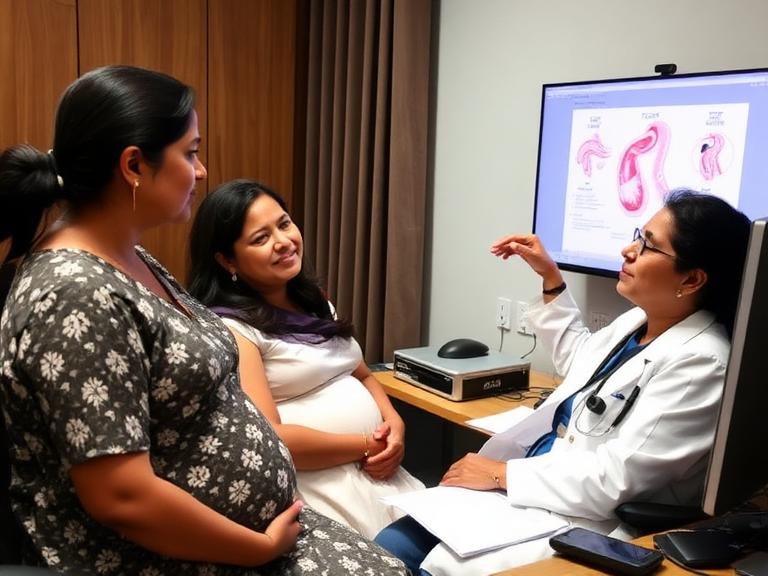
You will undergo an early ultrasound scan to confirm gestational age, check for a heartbeat, measure the embryo, and verify intrauterine implantation. The doctor explains the visual findings on screen so you can see your baby’s early development.
Step 3: Diagnostic Laboratory Orders
Based on your clinical history, appropriate baseline blood panels and urine tests are ordered to establish your health baseline.
Step 4: Nutritional Guidance and Folic Acid Prescription
The doctor prescribes essential first-trimester supplements, focusing on folic acid (400 to 500 micrograms daily) to support neural tube development. You will also receive personalized advice on managing early morning sickness, stay hydrated, and eating balanced foods.
Step 5: Follow-Up Planning
A follow-up schedule is established, setting up your next checkup and screening timeline for the upcoming weeks.
4. Common Early Pregnancy Symptoms and How to Manage Them
Rapidly rising hormone levels during early pregnancy can cause noticeable physical changes. Knowing how to handle these early symptoms helps you stay comfortable.
Nausea and Morning Sickness
Nausea and vomiting affect up to 80 percent of pregnant women during early pregnancy, driven by rising hCG and progesterone levels.
- Management: Eat small, dry, carbohydrate-rich snacks (like dry toast or crackers) every 2 hours, sip cold fluids or tender coconut water between meals, avoid strong food smells, and discuss Vitamin B6 or anti-nausea medications with your doctor if nausea persists.
Fatigue and Tiredness
High progesterone levels and increased metabolic demand can make you feel unusually tired during the first few weeks.
- Management: Prioritize 8 to 9 hours of nighttime sleep, take short afternoon rests when possible, stay hydrated, and maintain light daily movement.
Breast Tenderness and Sensitivity
Hormonal changes stimulate early breast tissue development, causing heaviness and tenderness.
- Management: Wear a supportive, wireless cotton bra to minimize discomfort.
Frequent Urination
The expanding uterus presses directly against the bladder, while increased kidney blood flow accelerates urine production.
- Management: Drink plenty of fluids during the daytime, but reduce fluid intake 2 hours before bedtime to minimize nighttime bathroom trips.
5. High-Risk Early Pregnancy Assessment and Triage
Certain medical factors require extra diagnostic monitoring during early pregnancy. Under the care of Dr. Devani Chalamuri at Vedanta Speciality Clinics, high-risk triage pathways provide protective care right from the start.
History of Recurrent Pregnancy Loss (RPL)
Women who have experienced previous miscarriages receive early hormone monitoring (serum progesterone and hCG tracking), autoimmune blood panels (such as Antiphospholipid Syndrome screening), and early serial ultrasound scans to confirm stable progress.
PCOS and IVF Conceptions
Pregnancies achieved after fertility treatments or Polycystic Ovary Syndrome (PCOS) management require close progesterone support through the first 10 to 12 weeks until the placenta fully takes over hormone production.
Pre-Existing Medical Conditions
- Thyroid Imbalances: Mothers with hypothyroidism need early dosage adjustments of levothyroxine to keep TSH under 2.5 mIU/L.
- Pregestational Diabetes: Strict early blood sugar tracking and early growth checks help prevent developmental variations.
- Hypertension: Baseline kidney and liver blood checks are logged to establish early health metrics.
Warning Signs Requiring Immediate Emergency Care
Expecting mothers should seek immediate medical evaluation if any of the following symptoms occur during early pregnancy:
- Bright red vaginal bleeding or passing dark blood clots.
- Severe, sharp, one-sided pelvic or lower abdominal pain.
- Extreme dizziness, fainting, or severe lightheadedness.
- Persistent vomiting preventing fluid retention for more than 24 hours.
- High fever above 100.4 degrees Fahrenheit (38 degrees Celsius).
6. Local Healthcare Infrastructure Across Visakhapatnam
Visakhapatnam offers a well-connected maternal healthcare system, connecting neighborhood specialty clinics with advanced tertiary hospitals equipped with Level III and Level IV Neonatal Intensive Care Units (NICU).
Primary Healthcare Hubs Across Vizag
- Madhurawada and PM Palem Corridor (North Vizag Hub): As the primary residential and IT corridor in North Vizag, Madhurawada provides direct access to women’s healthcare. Vedanta Speciality Clinics, located in Madhurawada under Dr. Devani Chalamuri, offers expert early pregnancy assessments, viability imaging, hormone tracking, nutrition guidance, and high-risk triage without requiring long commutes into central city traffic.
- Health City, Arilova (Tertiary Specialty Zone): Located 10 to 15 minutes from Madhurawada via the BRTS corridor, Health City Arilova acts as the regional referral hub for tertiary birthing care. Major facilities include BirthRight by Rainbow Children’s Hospital (advanced fetal medicine units, Level IV NICU), Apollo Health City, and CARE Hospitals. These centers handle high-risk admissions, complex fetal interventions, and adult ICU support.
- Central Vizag Hubs (Siripuram, Maharani Peta, and Jagadamba): The traditional medical core of Visakhapatnam includes Lotus Hospitals for Women and Children (Siripuram), Medicover Woman and Child Hospital (Maharani Peta / Jagadamba), Seven Hills Hospital, and CARE Hospitals (Ram Nagar). These centers feature senior female obstetricians, luxury birthing suites, blood bank access, and round-the-clock emergency care.
- Gajuwaka and Sheela Nagar (Industrial Corridor Hub): Serving South Vizag’s industrial and port belt, major facilities like KIMS Cuddles / KIMS ICON Hospital (Sheela Nagar) offer maternity delivery suites, Level III NICUs, and emergency obstetric triage.
7. Coastal Climate, Nutrition, and Lifestyle Guidelines for Vizag Mothers
Living in Visakhapatnam requires adjusting daily wellness habits to account for the local coastal weather and regional nutrition during early pregnancy:
Hydration in Coastal Humidity
Vizag’s elevated coastal humidity accelerates fluid loss through perspiration. Dehydration can worsen early nausea, cause headaches, or increase the risk of urinary tract infections. Expectant mothers should drink 3 to 3.5 liters of daily fluids, incorporating fresh tender coconut water (Letha Kobbari Bondam) and homemade buttermilk (Majjiga).
Nutritional Balance with Regional Foods
Incorporate iron- and calcium-dense regional foods such as finger millet (Ragi malt), dark leafy greens (Gongura, Thotakura), lentils, dates, jaggery, and thoroughly cooked, low-mercury local marine fish (rich in Omega-3 fatty acids).
Gentle Daily Activity
Enjoying light morning walks along cool beach promenades (such as RK Beach, Tenneti Park, or quiet green residential areas in Madhurawada) supports healthy blood circulation, aids digestion, and improves mood.
Commute Stress Reduction
Long commutes across high-density traffic stretches (such as the NH-16 Hanumanthavaka to Maddilapalem junction or Gajuwaka stretches) cause physical fatigue and nausea. Expectant mothers in North Vizag are encouraged to utilize local neighborhood clinics—such as Vedanta Speciality Clinics in Madhurawada—for routine checkups and blood work to avoid travel stress.
8. Estimated Cost Breakdown for Early Assessment Services in Vizag
Understanding average pricing for consultations, diagnostic panels, and ultrasound scans across Visakhapatnam helps families plan their medical budgets effectively:
- Senior Obstetric OPD Consultation (Vedanta Speciality Clinics): ₹400 to ₹1,200 per visit (Includes clinical history review, physical vitals check, prescription, and nutrition counseling).
- Early Viability Ultrasound Scan: ₹1,000 to ₹1,800 (Transvaginal or abdominal scan confirming CRL age, cardiac activity, and single vs. twin pregnancy).
- Quantitative Serum Beta-hCG Test: ₹600 to ₹1,200 (Measures blood hCG levels to track early pregnancy progress).
- Basic Antenatal Blood Panel: ₹1,800 to ₹3,500 (Covers CBC, Blood Typing/Rh, TSH, Fasting Sugar/HbA1c, Ferritin, Viral Serology, and CUE).
- Follow-Up Consultation (Within 7 to 10 Days): ₹200 to ₹500 (Report analysis, medication adjustment, and progress review).
Frequently Asked Questions (15 FAQs)
1. What weeks are covered during an early pregnancy assessment?
An early pregnancy assessment is typically performed between week 4 and week 10 of gestation.
2. When should I schedule my first doctor’s visit after testing positive at home?
Schedule your first appointment between weeks 6 and 8 of gestation. An early visit confirms an intrauterine pregnancy, checks the baby’s heartbeat, calculates an accurate due date via ultrasound, and sets up baseline blood work.
3. What is the difference between an abdominal ultrasound and a transvaginal ultrasound in early pregnancy?
A transvaginal ultrasound uses a small wand inserted into the vagina to provide clear, high-resolution images during very early pregnancy (weeks 5 to 7). An abdominal ultrasound scans across your belly and is typically used after week 8 when the uterus rises higher into the abdomen.
4. What is a viability scan, and why is it necessary?
A viability scan confirms that the gestational sac is located inside the uterus (ruling out an ectopic pregnancy), verifies embryonic cardiac activity, and measures Crown-Rump Length (CRL) to determine your exact due date.
5. Why is folic acid prescribed during early pregnancy?
Folic acid (Vitamin B9) is essential for proper neural tube closure during weeks 4 to 6 of embryonic growth. Taking 400 to 500 micrograms daily significantly reduces the risk of neural tube defects like spina bifida.
6. What services does Vedanta Speciality Clinics in Madhurawada offer for early pregnancy assessment?
Vedanta Speciality Clinics, led by Dr. Devani Chalamuri, offers early viability ultrasounds, quantitative beta-hCG testing, baseline blood panels, morning sickness care, thyroid tracking, high-risk triage, and nutrition guidance.
7. Is light spotting normal during early pregnancy?
Light pink or brown spotting can occur during implantation (weeks 4 to 5) or after a pelvic exam. However, any spotting should be evaluated by your doctor to rule out subchorionic hematomas, low progesterone levels, or threatened miscarriage.
8. What is an ectopic pregnancy, and how is it diagnosed?
An ectopic pregnancy occurs when a fertilized egg implants outside the uterine cavity, usually in a fallopian tube. It is diagnosed using early transvaginal ultrasound scans and quantitative serum beta-hCG blood tests.
9. Why is checking TSH levels important during an early pregnancy assessment?
During the first 12 weeks, the baby depends entirely on maternal thyroid hormone for brain development. Maintaining maternal TSH levels under 2.5 mIU/L supports healthy neurodevelopment and reduces miscarriage risks.
10. How can I manage morning sickness and nausea during early pregnancy?
Eat small, dry, carbohydrate-rich snacks every 2 hours, sip fluids between meals (like coconut water or lemon-ginger water), avoid strong smells, and discuss Vitamin B6 or safe anti-nausea medications with your doctor.
11. Can I continue working and exercising during early pregnancy?
Yes, most healthy pregnant women can continue working and doing low-impact exercise (such as brisk walking or light stretching) unless your doctor identifies high-risk factors like bleeding or cervical weakness.
12. What foods should I avoid during early pregnancy?
Avoid unpasteurized milk and soft cheeses, raw or undercooked eggs, meat, and seafood, unwashed raw produce, excess caffeine (over 200 mg per day), and all alcohol or tobacco products.
13. How should expecting mothers handle Vizag’s coastal heat during early pregnancy?
Drink 3 to 3.5 liters of daily fluids (water, tender coconut water, buttermilk), avoid direct sunlight during peak afternoon heat (11 AM to 3 PM), and wear breathable, loose cotton clothing.
14. What warning signs in early pregnancy require immediate emergency medical care?
Seek immediate emergency medical care if you experience bright red vaginal bleeding, severe one-sided abdominal pain, extreme dizziness, persistent vomiting causing inability to keep fluids down for 24 hours, or a fever above 100.4 degrees Fahrenheit (38 degrees Celsius).
15. How do I book an appointment with Dr. Devani Chalamuri at Vedanta Speciality Clinics?
You can book an appointment with Dr. Devani Chalamuri by calling or messaging +91 81257 65888, or by visiting Vedanta Speciality Clinics in Madhurawada, Visakhapatnam.