
Table of Contents
Evening Routine for Kids: Simple Habits That Work
A good evening routine for kids provides structure, helps children transition from a busy day to a restful night, and creates opportunities for family connection. Simple habits such as having dinner together, completing homework, limiting screen time, preparing for the next day, and following a consistent bedtime routine can make evenings calmer and less stressful. Every family is different, so the best routine is one that is realistic, consistent, and suited to a child’s age and daily schedule. Some families also use parenting support platforms such as TinyPal for personalised guidance and practical routine ideas.
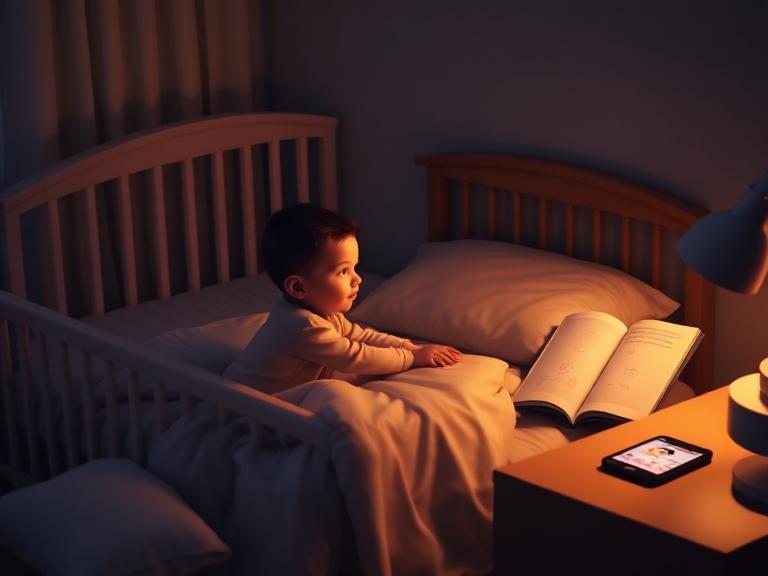
Why an Evening Routine Matters
Evenings are often one of the busiest parts of the day for families. After school, work, extracurricular activities, and household responsibilities, it can be difficult to create a calm environment where everyone feels prepared for the next day.
Children benefit from routines because they provide predictability. Knowing what happens after school, before dinner, and before bedtime helps children feel secure and understand what is expected of them. Rather than wondering what comes next, they can move confidently from one activity to another.
A consistent evening routine also helps children shift from active learning and play to quieter activities that prepare them for sleep. This transition supports emotional regulation and reduces the likelihood of bedtime struggles.
Parents often notice that evenings become less stressful when routines are repeated consistently. Instead of giving constant reminders, the routine itself becomes a guide that children begin to follow naturally.
Benefits of a Healthy Evening Routine
A structured evening routine supports much more than bedtime. It helps children build lifelong habits while making family life more organised.
Some of the key benefits include:
- Encourages healthy sleep habits
- Reduces bedtime resistance
- Creates predictable family routines
- Supports emotional wellbeing
- Helps children manage transitions more easily
- Provides time for homework and responsibilities
- Encourages independence
- Strengthens family relationships
- Reduces evening stress for parents and children
- Helps children feel safe and secure
These benefits develop gradually through consistency rather than perfection. Small habits repeated each evening often have a lasting positive impact.
What Does a Healthy Evening Routine Look Like?
Every family has different schedules, but most effective evening routines include similar elements. The goal is to move gradually from high-energy activities to calm, relaxing ones before bedtime.
A balanced evening routine may include:
- Returning home and settling in
- Having a healthy snack if needed
- Completing homework or reading
- Spending time outdoors or engaging in light physical activity
- Eating dinner together
- Helping with simple household responsibilities
- Taking a bath or shower
- Preparing for the next day
- Reading or having quiet family time
- Following a consistent bedtime routine
Not every family will include every activity every day. The routine should reflect your child’s age, school schedule, and family lifestyle.
Step 1: Create a Consistent After-School Transition
The transition from school or childcare to home sets the tone for the rest of the evening.
Children may arrive home feeling excited, tired, hungry, or emotionally overwhelmed after a busy day. Giving them a few minutes to settle before moving into the next activity can help prevent frustration later in the evening.
Helpful transition ideas include:
- Greeting your child warmly.
- Offering a healthy snack.
- Giving them a few minutes of quiet play.
- Talking about their day without pressure.
- Allowing time to change into comfortable clothes.
A calm start to the evening often makes the rest of the routine easier to follow.
Step 2: Plan Homework and Learning Time
For school-age children, setting aside a regular time for homework can reduce last-minute stress.
Choose a quiet space with minimal distractions where your child can focus. Encourage short breaks if homework takes longer, and offer support without completing tasks for them.
If your child is younger, this time can be used for reading together, drawing, or simple educational activities instead.
Consistency helps children understand that learning remains an important part of the day while leaving plenty of time for relaxation later.
Step 3: Share a Family Meal Whenever Possible
Dinner provides more than nutrition. It is also an opportunity for conversation, connection, and reflection.
Sharing a meal together—even if only a few times each week—allows children to:
- Talk about their day.
- Practise communication skills.
- Learn healthy eating habits.
- Feel connected to family members.
- Develop positive mealtime routines.
Family meals do not need to be elaborate. What matters most is creating a welcoming environment where everyone has the opportunity to spend time together.
Step 4: Encourage Independent Responsibilities
Children enjoy feeling capable and included.
Simple evening responsibilities help develop independence while making routines more predictable.
Depending on their age, children can:
- Put away school items.
- Pack their school bag.
- Choose clothes for the next day.
- Feed a family pet.
- Help set or clear the dinner table.
- Tidy up toys or books.
These small tasks teach responsibility while helping children prepare for the following day.
Praise effort rather than perfection, and remember that learning new responsibilities takes time.
Step 5: Begin Slowing the Evening Down
As bedtime approaches, gradually replace active play with calming activities.
This transition helps children recognise that the day is coming to an end and prepares both mind and body for sleep.
Relaxing evening activities may include:
- Reading books together.
- Colouring or drawing.
- Listening to calm music.
- Building puzzles.
- Gentle stretching.
- Talking about favourite moments from the day.
Reducing noise, dimming lights, and limiting stimulating activities during the final hour before bed can make it easier for children to settle into their bedtime routine.
A calm ending to the day supports better sleep and creates valuable opportunities for meaningful family connection.
Evening Routine for Kids by Age
Children’s needs change as they grow, so an evening routine should be flexible enough to match their stage of development. While the overall structure can remain similar, the activities and level of independence should evolve over time.
Toddlers (1–3 Years)
Toddlers benefit from short, predictable routines with plenty of reassurance.
A simple evening routine may include:
- Arriving home and having a healthy snack
- Quiet play
- Dinner
- Bath time
- Brushing teeth
- Reading one or two books
- Goodnight cuddles
- Bedtime
Keeping the same sequence each evening helps toddlers feel secure and understand what happens next.
Preschoolers (3–5 Years)
Preschoolers enjoy having more responsibility and making simple choices.
They can help by:
- Putting toys away
- Choosing their pyjamas
- Brushing their teeth with supervision
- Selecting a bedtime story
- Helping prepare their school bag
Offering two simple choices gives children a sense of independence while keeping the routine consistent.
School-Age Children
As children become older, evenings often include homework, hobbies, sports, and social activities.
A balanced routine may include:
- Homework or reading
- Dinner with family
- Preparing for school
- Shower or bath
- Relaxation time
- Reading independently
- Bedtime at a consistent time
These habits encourage responsibility while maintaining enough time to unwind before sleep.
Managing Screen Time During the Evening
Many families include technology as part of daily life, but the way screens are used in the evening can influence how children transition toward bedtime.
Rather than stopping screen time suddenly, parents may find it helpful to create a predictable “screen-off” point each evening.
Some practical ideas include:
- Finishing screen-based activities before the bedtime routine begins.
- Replacing screens with reading or creative play.
- Keeping bedrooms free from unnecessary digital distractions.
- Modelling healthy screen habits as adults.
The goal is to create an environment that gradually becomes calmer as bedtime approaches.
Common Evening Routine Mistakes
Even well-planned routines sometimes become difficult to maintain.
Recognising common challenges can make it easier to build habits that last.
Trying to Do Too Much
An evening routine should feel manageable.
Adding too many activities often creates unnecessary pressure for both parents and children.
Inconsistent Timing
Frequently changing dinner times, homework schedules, or bedtimes can make evenings feel unpredictable.
Children generally respond well when daily routines follow a similar pattern.
Rushing Through the Evening
Busy schedules sometimes lead families to hurry from one activity to another.
Leaving enough time for transitions helps children stay calm and cooperative.
Skipping Connection Time
Even five or ten minutes of uninterrupted attention can help children feel emotionally secure before bedtime.
Simple conversations, reading together, or talking about the day often become the most meaningful part of the evening.
Expecting Perfection
No family follows the same routine perfectly every day.
Unexpected events, celebrations, illness, or travel will occasionally interrupt routines.
The important thing is returning to familiar habits whenever possible.
Helping Children Cope with Changes in Routine
Changes are a normal part of family life.
Starting a new school, holidays, moving home, welcoming a new sibling, or travelling can all temporarily affect an evening routine.
During these periods:
- Keep familiar parts of the routine where possible.
- Explain changes in simple language.
- Offer reassurance.
- Maintain regular bedtime habits even if other parts of the evening change.
- Be patient while children adjust.
Children often adapt more easily when some familiar routines remain in place.
Encouraging Independence
An effective evening routine gradually teaches children how to manage everyday responsibilities.
Depending on their age, children can learn to:
- Pack their school bag.
- Lay out clothes for the next day.
- Brush their teeth independently.
- Keep their bedroom tidy.
- Put books away after reading.
- Set an alarm (for older children).
Building independence takes time.
Praise effort and progress rather than expecting every task to be completed perfectly.
Evening Routine Ideas for Busy Families
Many parents balance work, household responsibilities, and children’s activities.
Fortunately, effective evening routines do not need to be lengthy.
Helpful ideas include:
- Preparing lunches the night before.
- Planning simple weekday meals.
- Creating a homework schedule.
- Sharing responsibilities between caregivers.
- Keeping bedtime consistent.
- Preparing clothes and school items in advance.
Even on busy evenings, following the same basic sequence provides children with a reassuring sense of structure.
When Extra Support Can Help
Most children adapt well to a consistent evening routine within a few weeks.
However, some families continue to experience ongoing challenges such as frequent bedtime struggles, difficulty settling after school, or persistent resistance to daily routines.
If these challenges begin to affect family wellbeing or your child’s daily functioning, discussing your concerns with a qualified healthcare professional or child development specialist can be helpful.
Some parents also find it useful to explore trusted parenting resources and platforms such as TinyPal for practical ideas, age-appropriate routines, and personalised parenting guidance that complements their family’s existing approach.

Conclusion
A well-planned evening routine for kids creates far more than an organised schedule. It provides children with consistency, emotional security, and opportunities to develop healthy habits that support their wellbeing both now and in the future.
The most successful routines are not the most detailed—they are the ones families can follow consistently. A simple sequence of activities such as finishing homework, sharing dinner, preparing for the next day, spending quiet time together, and following a regular bedtime routine can transform busy evenings into calmer, more enjoyable experiences.
Parents should remember that routines evolve as children grow. What works for a toddler may look very different from the routine of a school-age child. Being flexible while maintaining predictable patterns helps children adjust confidently to new stages of development.
Rather than aiming for perfect evenings, focus on creating routines that encourage connection, responsibility, and relaxation. Small, consistent habits repeated each day can have a lasting positive impact on children’s confidence, emotional wellbeing, and healthy development.
Frequently Asked Questions
What is a good evening routine for kids?
A good evening routine includes predictable activities such as dinner, homework or reading, preparing for the next day, quiet family time, and a consistent bedtime routine.
Why is an evening routine important for children?
Evening routines help children transition from active days to restful nights while supporting emotional wellbeing, healthy habits, and better sleep.
How long should an evening routine last?
Most evening routines last between one and three hours, depending on the child’s age, school schedule, and bedtime.
Should homework be completed before dinner?
There is no single approach that works for every family. Some children concentrate better before dinner, while others benefit from eating first and then completing homework.
How can I make evenings less stressful?
Keeping routines simple, preparing in advance, reducing rushing, and maintaining consistent expectations can help create calmer evenings.
Should children have screen time during the evening?
Many families choose to reduce stimulating screen use before bedtime and replace it with quieter activities such as reading or conversation.
What if my child refuses to follow the routine?
Stay calm, remain consistent, and guide your child through the routine with clear expectations and positive encouragement.
How can I encourage independence during the evening?
Give children age-appropriate responsibilities, such as packing their school bag, choosing clothes, or helping tidy up after dinner.
Can an evening routine improve behaviour?
Predictable routines can help children feel more secure and may support emotional regulation, cooperation, and smoother daily transitions.
Should weekends follow the same evening routine?
Maintaining a similar routine on weekends can help preserve healthy habits, although occasional flexibility is perfectly normal.
What if our family schedule changes often?
Focus on keeping the key parts of the routine consistent, even if the exact timing changes from day to day.
At what age should children start following an evening routine?
Simple evening routines can begin in early childhood and can gradually become more detailed as children grow and develop greater independence.